Describe the site
Property type, location, approximate size, current condition, and access help route the backflow preventer repair request.
backflow preventer repair in West Jordan
Plan a request for backflow preventer repair in West Jordan. Compare scope, scheduling, site conditions, and vendor questions before accepting an estimate.
Prepare a useful request
Backflow Preventer Repair requests are easier to price when the property, existing condition, desired result, access window, and timing are described clearly. This guide explains what to collect before asking a vendor to confirm the scope.
Property type, location, approximate size, current condition, and access help route the backflow preventer repair request.
Include a due date, operating window, weather concern, planned closure, or budget horizon instead of assuming immediate availability.
Repairs, preparation, reports, permits, other trades, disposal, return visits, or special access may be outside the initial scope.
Confirm the actual receiving vendor's availability, qualifications, service area, method, and pricing before making a decision.
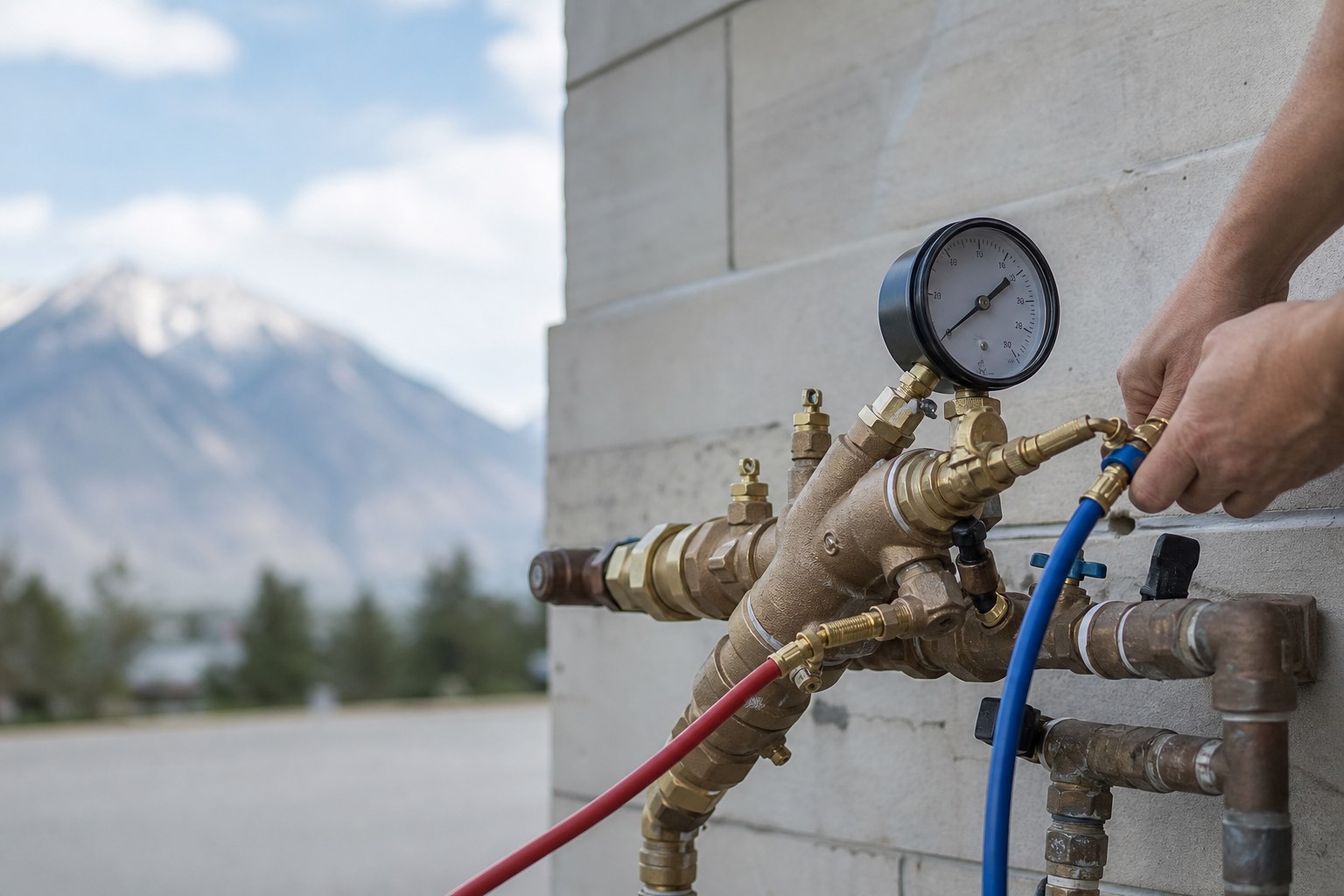
Assemblies that fail a field test, leak, show damaged components, or need maintenance before a successful retest. A request should explain the property use, approximate size, present condition, previous work when known, desired outcome, and the practical reason for acting now. That information helps a vendor distinguish routine maintenance from damage or conditions that need a different approach.
The search phrase “backflow preventer repair in West Jordan” can describe several scopes. A small property may need one focused area reviewed, while a larger or managed site may need phasing, purchasing documentation, access coordination, or service across multiple zones. Avoid assuming that the same method, material, equipment, or schedule fits every request.
A useful starting scope covers failure review, repair authorization, compatible-part planning, repair, retesting, and updated result documentation. It should also identify who controls the property, where the work area begins and ends, what can be moved or shut down, and whether occupants, customers, tenants, equipment, deliveries, or business operations affect access.
Ask the vendor to separate inspection observations from proposed work. The written estimate should identify preparation, materials or test steps, labor, access assumptions, exclusions, cleanup, reporting or handoff, reopening guidance, and what could change the price. If a detail is unknown, label it for confirmation instead of turning it into a promise.
The main limitation to discuss is that some damage, obsolete parts, installation defects, or freeze failures may make replacement or plumbing work more appropriate than repair. Photos and a clear description can help with initial routing, but they do not replace whatever onsite evaluation, material or device identification, test area, condition assessment, water-provider confirmation, or other review the receiving vendor considers necessary.
Ask what warning signs would change the recommendation. Examples can include underlying failure, moisture, contamination, incompatible materials, active leaks, access hazards, damaged components, drainage, traffic loading, or a requirement controlled by a property manager or water provider. The right next step may be maintenance, repair, replacement, another trade, or no immediate work.
Pricing can depend on size, condition, preparation, material or device type, number of visits, minimum service charge, travel, access, disposal, reporting, repair allowances, operating-hour restrictions, and the requested completion window. Request a written explanation of included work rather than comparing headline totals with different assumptions.
West Jordan states that recorded backflow prevention assemblies are tested annually, and landscape sprinkler assemblies connected to public drinking water require annual testing. Exact responsibility, due date, accepted form, and submission route should be confirmed with the property's water provider and a currently certified Utah tester. Ask how the vendor handles weather or indoor conditions, cure or dry time, shutdowns, site security, noise, traffic, occupants, and rescheduling. A schedule is only useful when it reflects the actual product, assembly, property, crew availability, and forecast or facility conditions.
Compare whether each response addresses the same scope, not simply which number is lowest. Confirm the vendor's availability, relevant qualifications, service radius, method, exclusions, communication process, payment milestones, change-order handling, and responsibility for reports or permits when applicable. Ask for clarification when a proposal relies on broad phrases without defining the work.
This guide does not award work or verify a provider automatically. Your request may be shared with local vendors who can confirm availability, qualifications, and pricing. Before accepting an estimate, the requester should independently review the vendor's current information and make sure the agreement names the actual party performing or coordinating the service.
Prepare the property address or ZIP, contact person, property type, approximate size, photos or notices when relevant, known materials or equipment, previous service history, access instructions, timing preference, and the best window for follow-up. Do not place payment information, alarm codes, gate codes, account numbers, or sensitive records in an unverified form.
For backflow preventer repair, ask the vendor to confirm the recommended next step after reviewing those details. A responsible answer may include conditions, alternatives, or a request for an onsite visit. That is more useful than a universal claim made without seeing the property or understanding the governing requirements.
Read the final proposal against the original request. Check that the property, work area, preparation, service steps, materials or device details, schedule, access plan, cleanup, reporting, exclusions, and price are described consistently. If the vendor recommends a different scope after inspection, ask why the condition changed the recommendation and request the revision in writing.
Keep the actual vendor's contact and agreement information with the project records. Confirm who will perform or coordinate the work, who should receive questions, and what happens if site conditions interrupt the plan. Save any product instructions, test results, photographs, change orders, and completion notes that the actual provider supplies. This site does not become a party to the service agreement and does not replace the requester's review of the provider.
More quote-planning pages
Common questions
Vendors may consider size, condition, preparation, materials or test steps, access, travel, minimum charges, scheduling, and follow-up. Ask for an itemized scope so quotes can be compared on the same assumptions.
Photos may help route and discuss the request, but the vendor should decide whether an onsite review, floor test, pavement inspection, assembly identification, or other verification is needed before committing to scope or price.
Confirm the actual vendor, service area, availability, relevant qualifications, work scope, exclusions, property access, timing, price, and the conditions that could require a change. Your request may be shared with local vendors who can confirm availability, qualifications, and pricing.
That depends on the service, product or assembly, site conditions, weather or indoor environment, and vendor method. Ask for project-specific closure, dry, cure, test, or reopening guidance rather than relying on a universal time.
No. West Jordan Backflow is an independent request guide. It does not claim a crew, office, license, certification, equipment inventory, utility affiliation, or completed-customer history.
Ready to plan the next step?
Your request may be shared with local vendors who can confirm availability, qualifications, and pricing.